Seeing AGI (6): Future Education Starts at Home — A Letter to All Parents

"The education of the future isn't about shielding children from AI—it's about teaching them to dance with it. And that dance starts at home, not in a classroom."
As someone who's spent nearly 20 years in AI, while also being a father of a 13-year-old, I constantly think about one question: When AGI truly arrives, will our children be ready? I've made it a goal to spend one hour each week teaching my son a different AI capability. Last weekend's lesson was "video creation"—but what he chose to create led to one of the most enlightening hours we've spent together. This isn't just about making a video—it's about reimagining how we prepare the next generation.
I'm Eric Jing, Co-founder and CEO of Genspark. Over the past months, I've written five Seeing AGI articles about witnessing AGI's arrival, adapting to it, and how it's reshaping work. But today's topic is more personal and perhaps more urgent: As parents, how do we help our children prepare for an AI-native future?
"Dad, Can We Make an Avengers 5 Anime?"
I'd set aside this Saturday for our weekly AI learning session. This week's topic: video creation with AI.
"So," I told my 13-year-old son, "today we're going to learn how to make videos using AI. You can create anything you want. What interests you?"
His eyes lit up immediately. He'd just watched the Avengers: Doomsday teaser trailer the night before, and he's been a huge Marvel fan since he was little.
"Dad, can we make an Avengers 5 anime?"
I smiled. This was exactly what I hoped for—not me dictating what to build, but him bringing his own passion to the table.
"Absolutely," I said.
Act One: The Story
The First Prompt We Used:
Please read the Avengers 5 trailer online, then write a short drama script, runtime 3 minutes
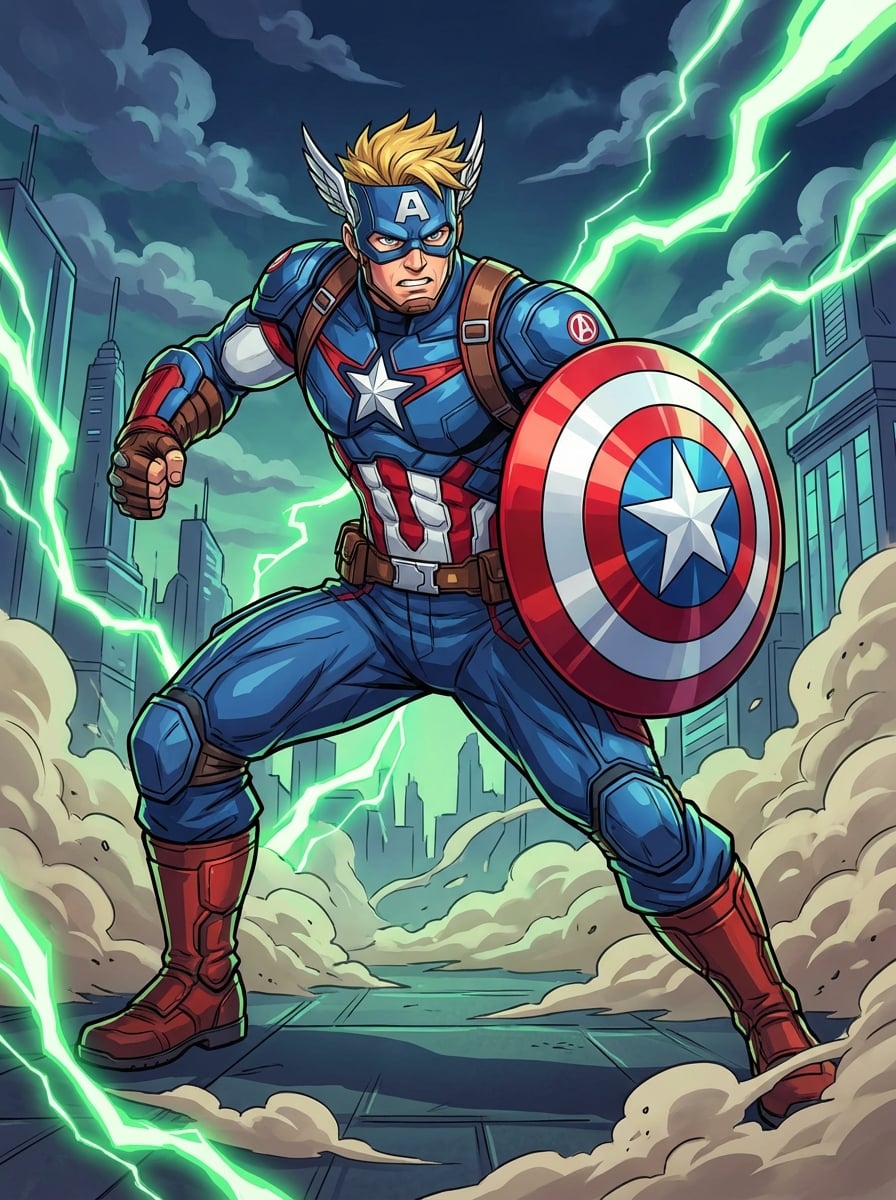
Genspark analyzed the trailer and generated a 3-minute script about Steve Rogers—a retired hero living peacefully with his baby, facing a 72-hour doomsday countdown, torn between family and duty.
Act Two: The Characters
He read through it and smiled: "This looks good!"
Me: "Great. So to make a video, our next step is to create character portraits—the main characters' 'hero shots,' like casting actors for a movie."
Him: "So we're designing how they look?"
Me: "Exactly. This is how you build a video—step by step."
His Second Prompt:
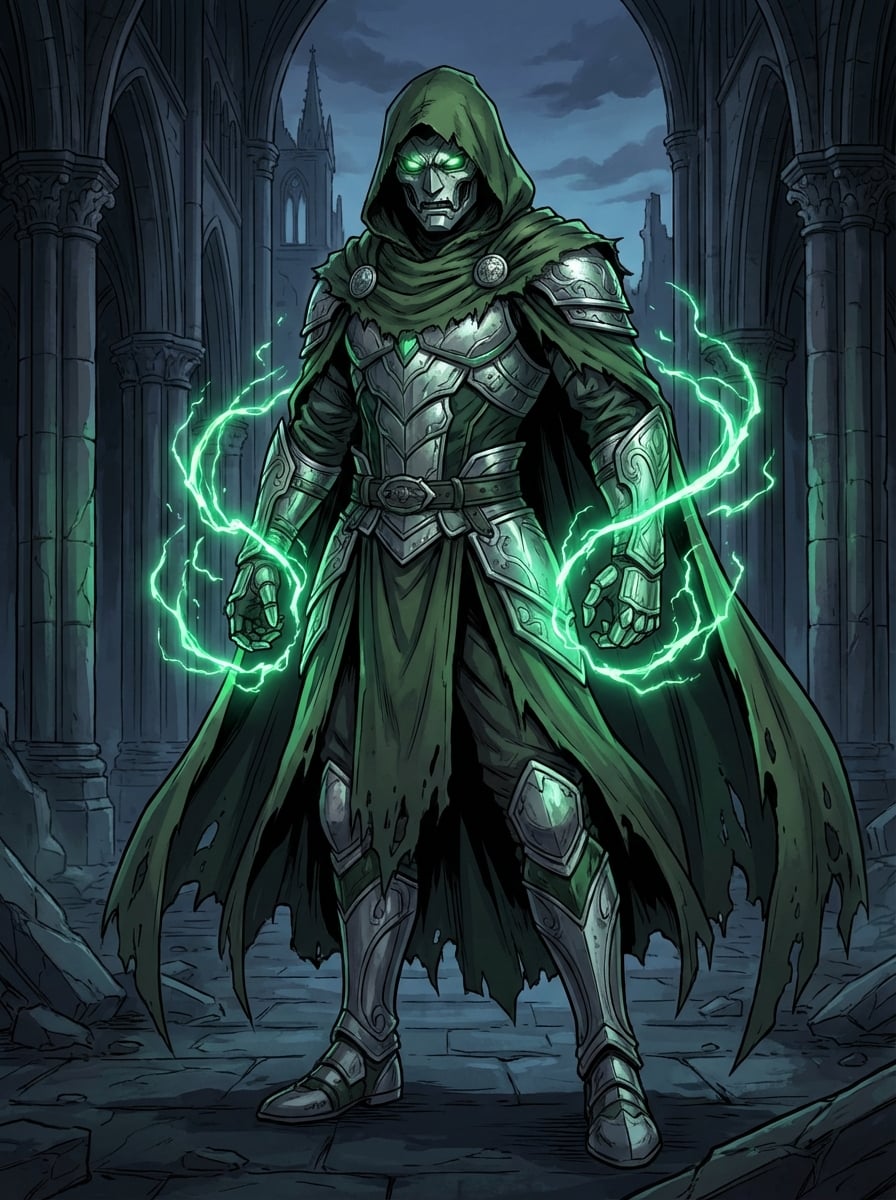
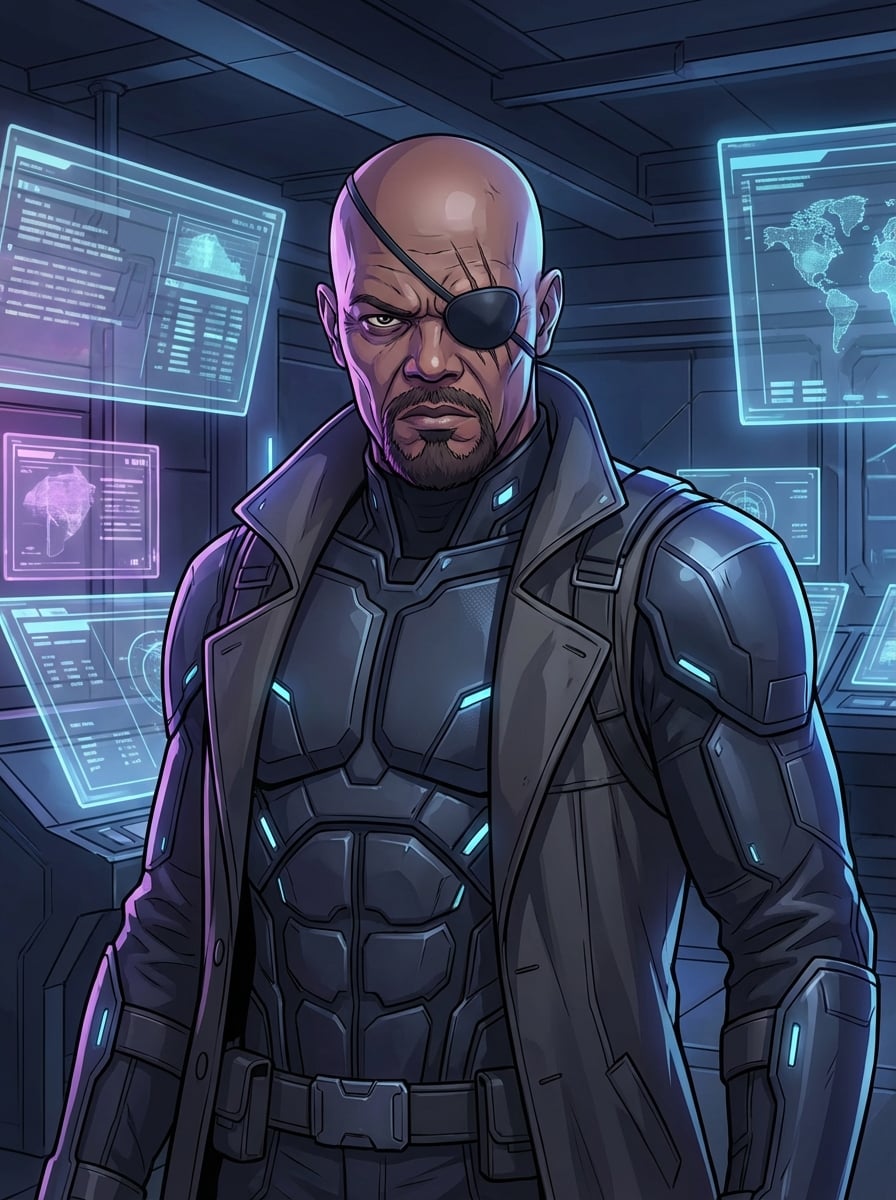
Please make a short film in anime style, help me draw photos of each character (about Avengers anime
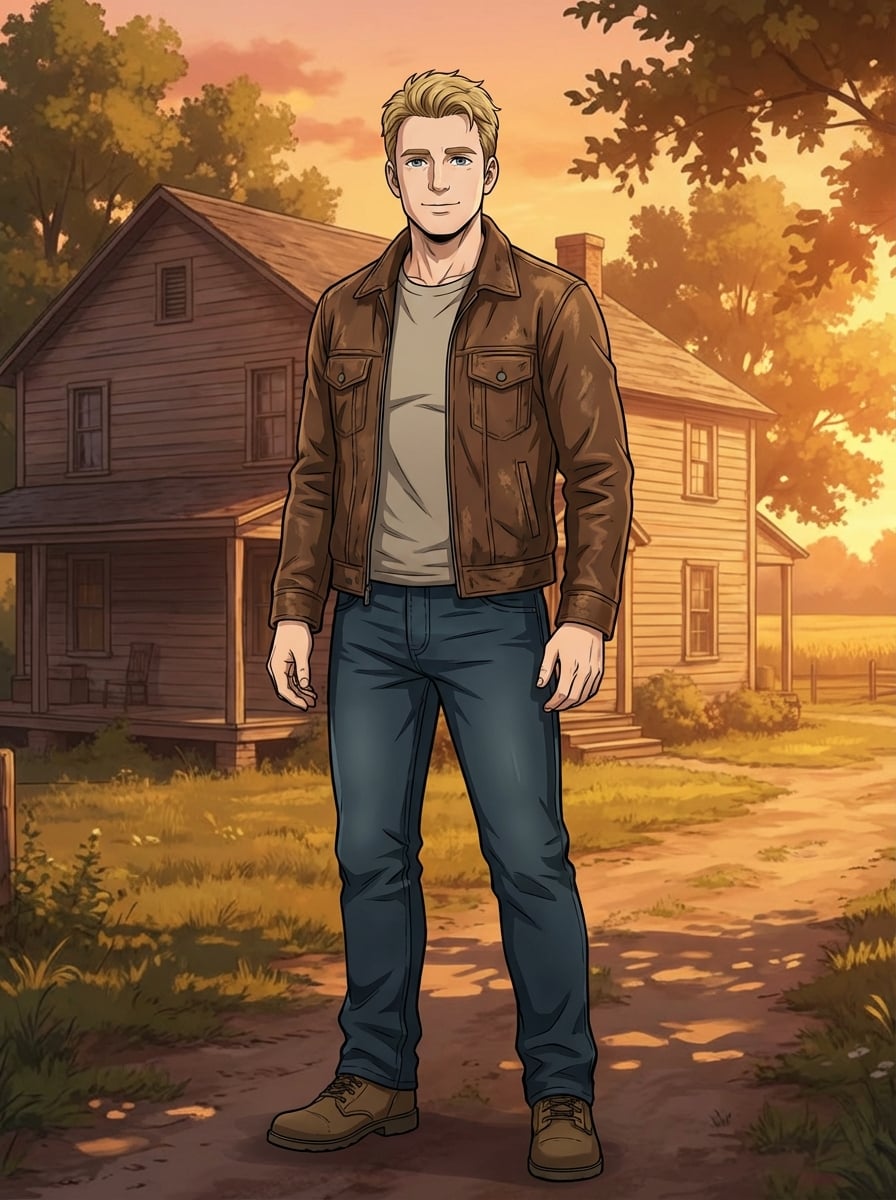
The Characters We Created:
Civilian Steve Rogers:
Captain America in Battle:
The Mysterious Villain:
The Agent:
Act Three: The Scenes
Him: "These characters look great! Can you help me generate the scenes and videos now?"
His Third Prompt:
These characters look great, help me generate the scenes and videos
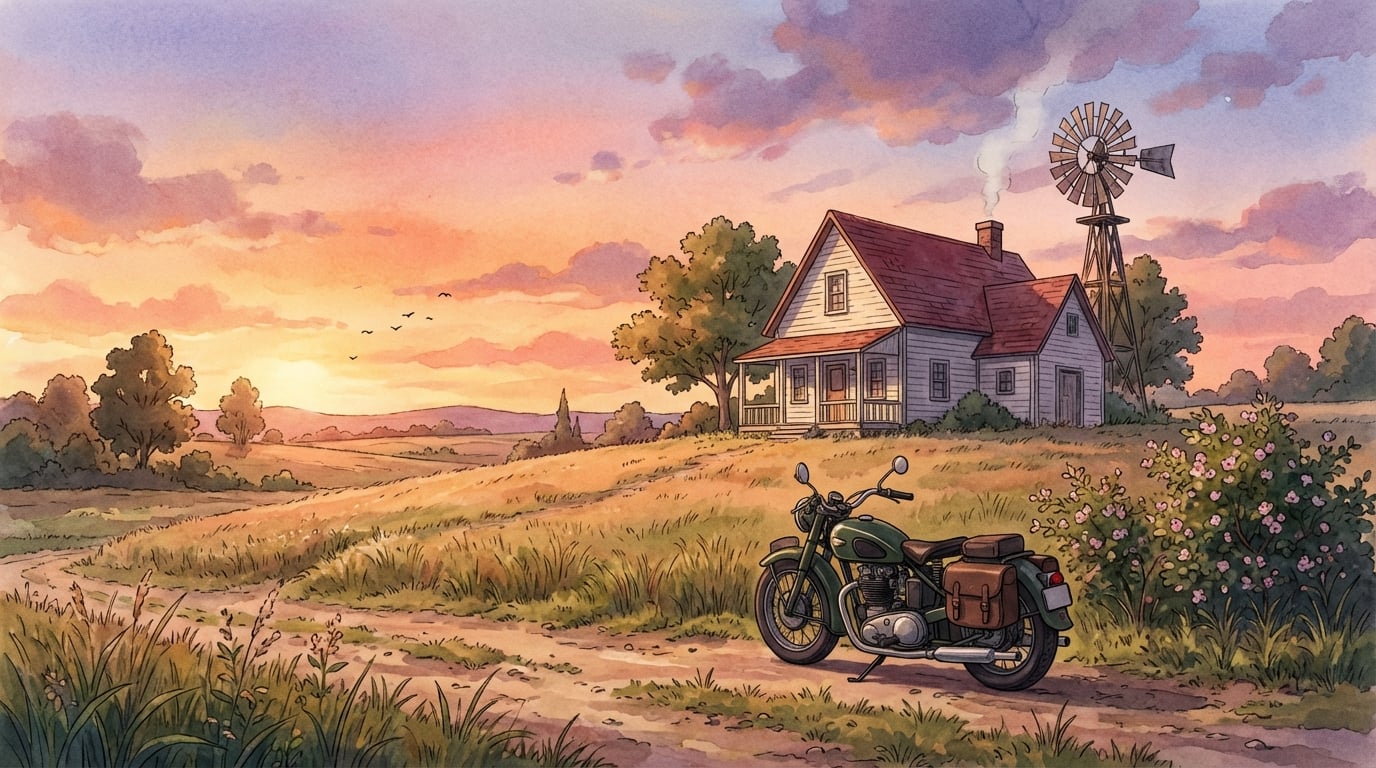
Genspark then helped us create detailed scene prompts for each key moment in the story.
The Scenes Genspark Created:
Opening - Rural Peace:
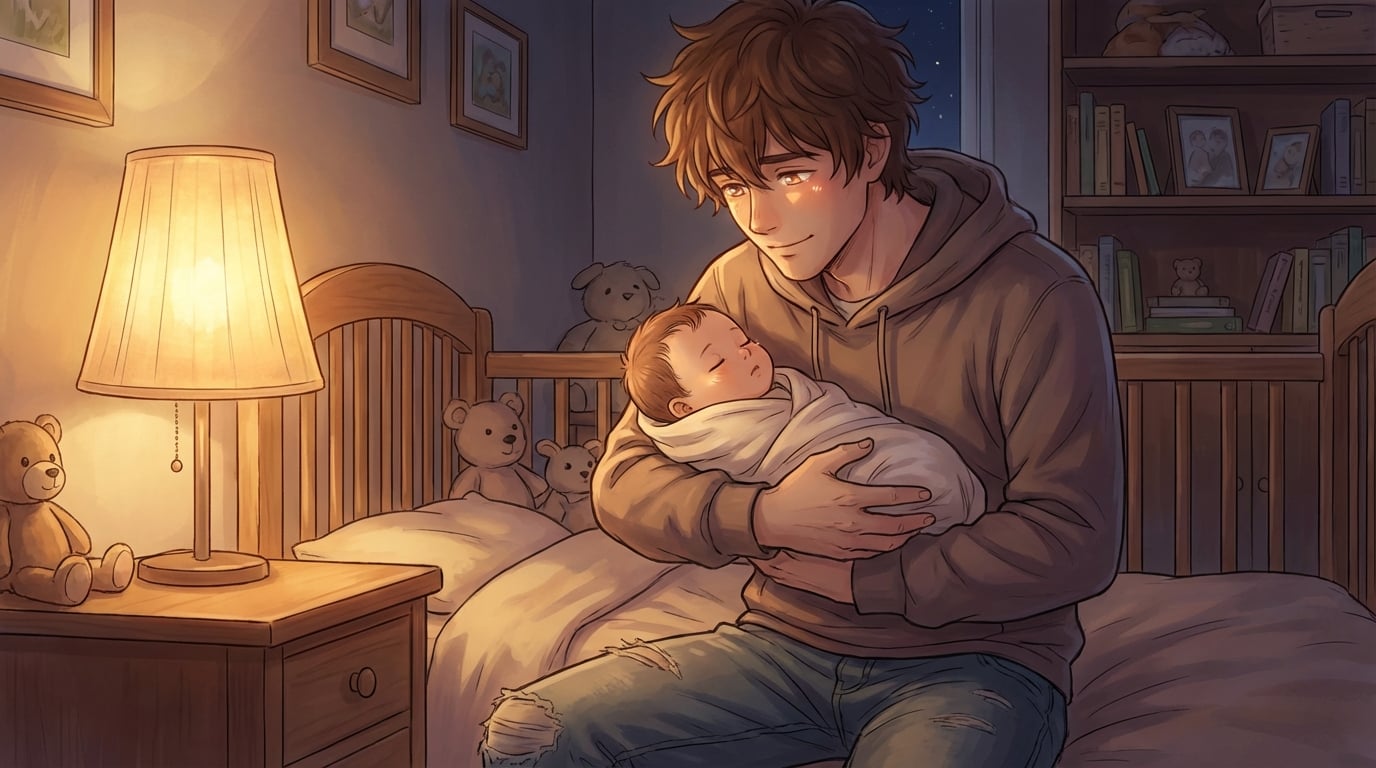
Father and Child:
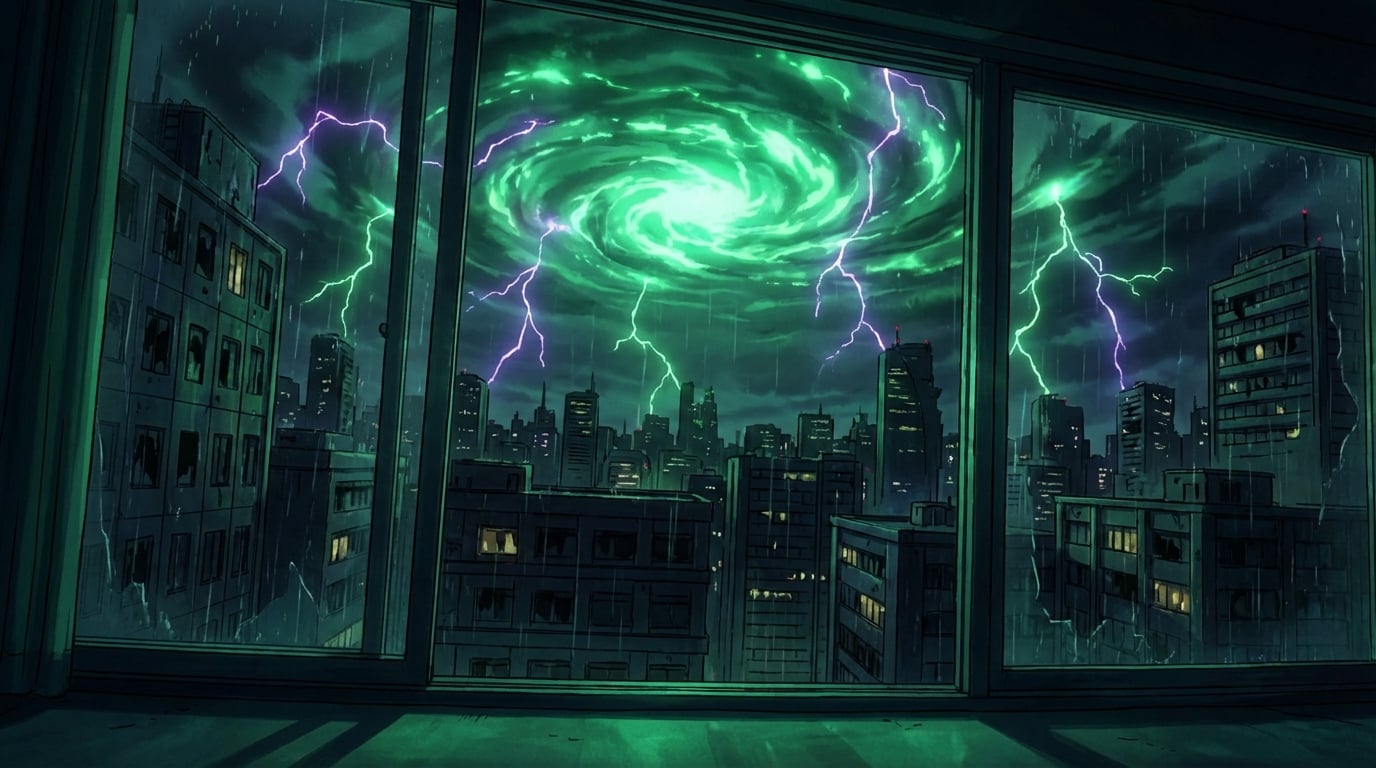
The Doomsday Sky:
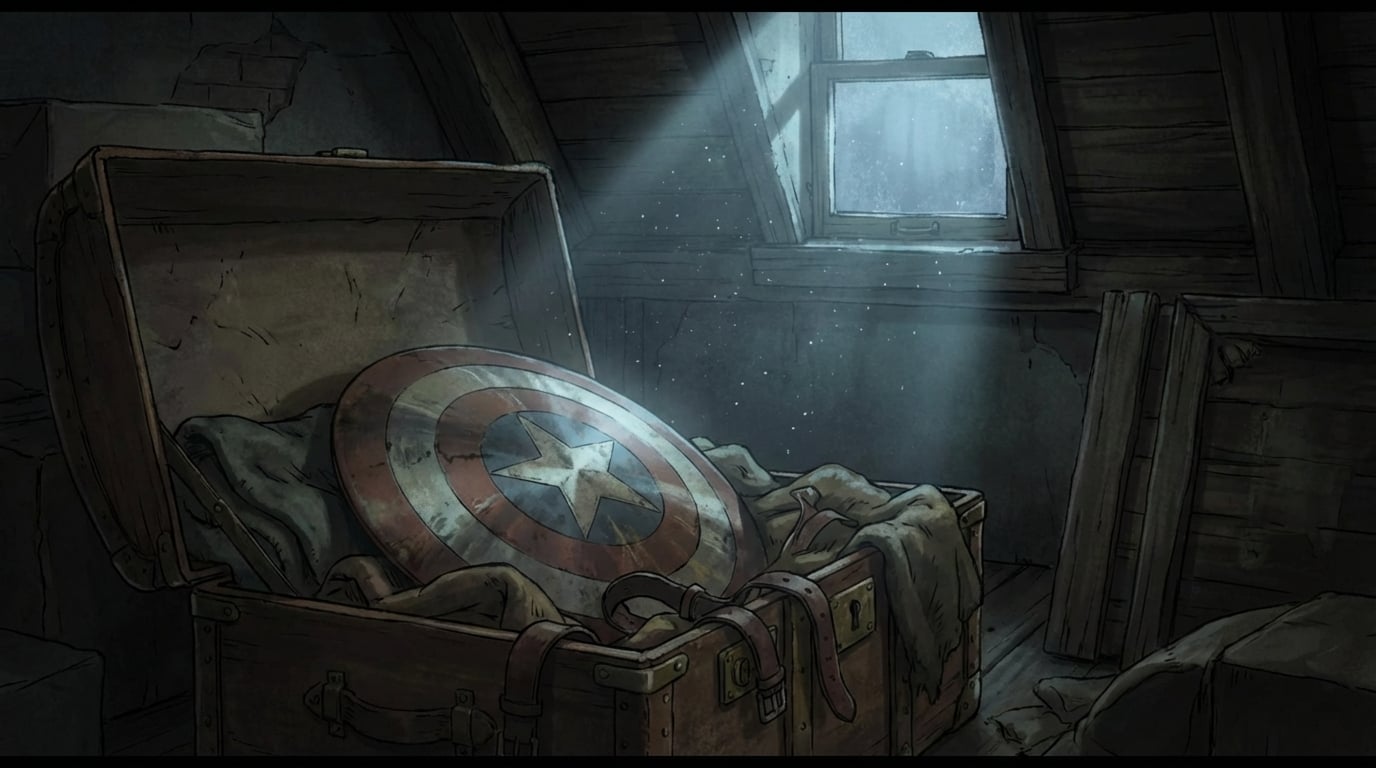
The Shield Revealed:
The Hero Rides Out:

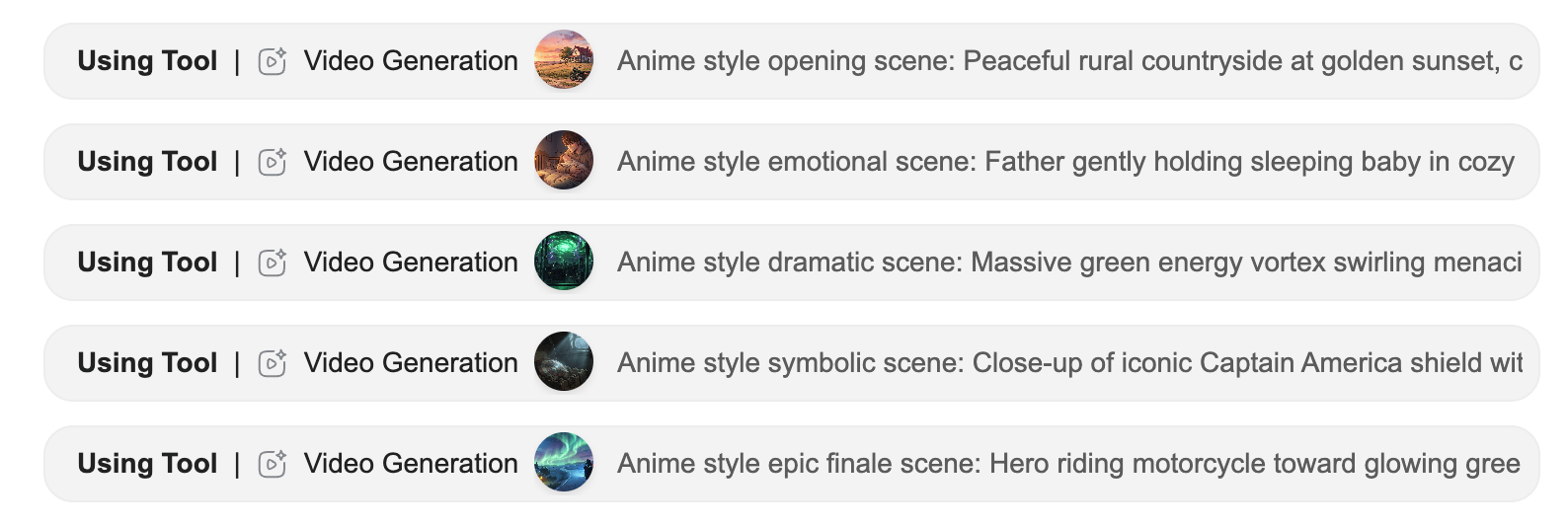
Video generation has begun.
Short film is complete!

The Moment Everything Broke (And Why That Mattered Most)
When we first stitched the video together, it played the first scene... then froze.
Him: "Dad, the video isn't playing right. Something's wrong."
Me: "Okay, let's describe to the AI exactly what we're seeing. Can you tell it what's happening?"
Him: "The first scene plays fine, but then it freezes."
Me: "Good. Now tell the AI that—describe the problem, and let's see if it can figure out what went wrong."
He typed his observation to Genspark. The AI quickly identified the issue: the scenes had different resolutions and frame rates—Scene 2 was 1924×1076 while others were 1280×720.
This was the most valuable part of the entire afternoon.
Instead of me fixing it, I guided him to work with the AI to solve it. Together, they normalized all clips to the same format and re-rendered.
When the final video played smoothly from start to finish, my son's reaction wasn't just excitement—it was pride. The kind of pride that comes from solving something hard, not from getting something easy.
What he learned: When things break, don't just say "it's broken" or blame the tool. Debug, iterate, and fix it. That resilience matters more than any technical skill.
The Final Product
Runtime: 42 seconds
Resolution: 1280×720 HD
Audio: Professional voiceover + Epic orchestral music
From idea to finished product: About one hour
What He Actually Learned (That Schools Don't Teach)
This wasn't about making a perfect anime. From a professional perspective, it's far from flawless. But from an educational perspective, it was invaluable:
1. Creative Direction
He learned how to transform vague ideas into concrete instructions. In the AI era, the ability to articulate vision clearly is more valuable than most technical skills.
2. Collaborative Mindset
AI isn't magic, and it isn't perfect. It's a superintelligent colleague that requires patience, clear communication, and iterative refinement.
3. Resilience Through Failure
When the video broke, he wanted to quit. But we debugged it together, and he experienced something crucial: the satisfaction of solving hard problems.
4. End-to-End Ownership
From script to characters to final video—he saw the entire creative pipeline. That sense of "I built this from nothing" is irreplaceable.
To All Anxious Parents: What I'm Asking You to Do
Since publishing my first Seeing AGI article, hundreds of parents have written to me: "What should I do for my child? Schools are teaching the old way, but the future needs something completely different..."
I understand that anxiety. As a father, I lie awake thinking the same thing.
But here's what this experience taught me: We can't wait for schools to change. We need to act now.
My Ask Is Simple: One Hour Per Week
Not "let them play with AI chatbots." Co-create something real together:
- Make a video, design a website, create a song, build an app
- Teach them to nurture AI, not test it—to iterate when it fails, not blame it
- Focus on process over results—the debugging matters more than the final product
The real question isn't "Will my child become too dependent on AI?" It's: Are we teaching them to use AI as a homework generator, or as a creative partner?
One leads to passive consumption. The other leads to limitless creation.
My Commitment
I'm committing to spend one hour weekly teaching my son a new AI capability—creating songs, designing games, writing novels, building websites—and sharing these real experiments as articles.
Why? Because AI education isn't out of reach. Every family can do this. You don't need to be a technical expert.
You just need:
- One hour per week
- Willingness to learn alongside your child
- Patience to guide them through failures
That one hour might determine your child's competitive edge for the next 20 years.
In my first Seeing AGI article, I wrote: "A fresh college graduate who learned only textbook knowledge might find their first day after graduation is also their first day of unemployment."
But if we start cultivating AI co-creation skills in childhood? Our children will have an unprecedented advantage.
As I concluded before: "The future belongs to those who keep their ego small, maintain a learning mindset, and start preparing today, not tomorrow."
For our children, this is even more urgent.
Eric Jing
Co-founder & CEO of Genspark AI
An anxious but optimistic father